Ever watched a rocket pierce through the clouds and felt that electric surge of excitement? That moment when fire meets sky and dreams become reality? Rocket launching isn’t just for NASA anymore, it’s an accessible hobby that transforms curious minds into space enthusiasts, one launch at a time.
The Psychology Behind Your First Rocket Adventure:
Before diving into nuts and bolts, let’s talk about why rocket launch experiences captivate people worldwide. There’s something primal about watching your creation defy gravity. Your first model rocket launch connects you to centuries of human innovation, from Chinese fire arrows to SpaceX missions. This psychological preparation is crucial because rocket launching techniques require patience, precision, and respect for the process.
Understanding the mental aspect helps beginners overcome common fears. Many newcomers worry about explosions or failures, but modern rocket launch safety protocols have evolved dramatically. Today’s beginner rocket kits are designed with foolproof mechanisms that prioritize learning over danger. The key is building confidence through knowledge and proper preparation.
Decoding Rocket Anatomy Without the Engineering Degree:
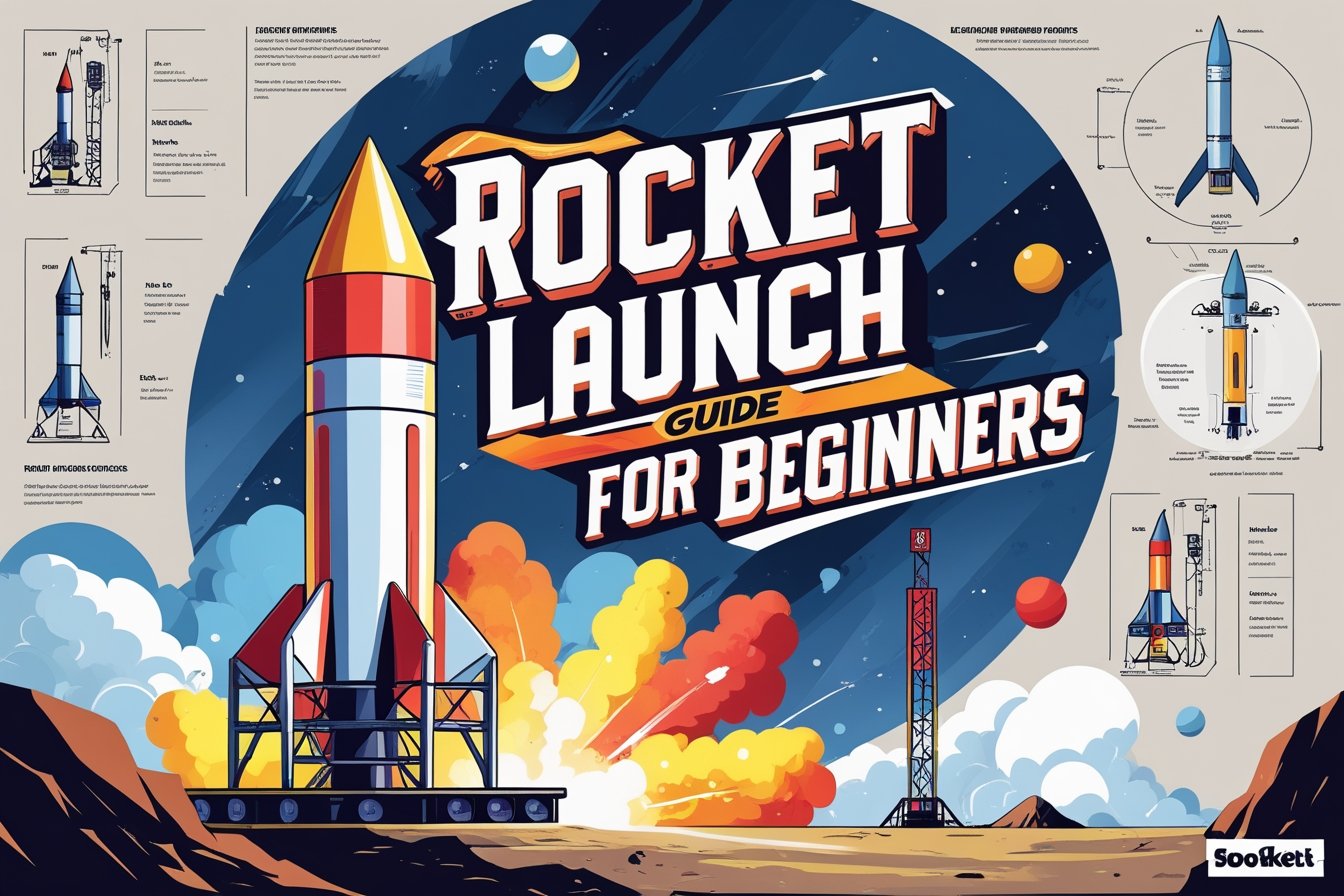
Every rocket launch system consists of four fundamental components that work in perfect harmony. The nose cone acts as your rocket’s aerodynamic spearhead, cutting through air resistance during ascent. The body tube serves as the structural backbone, housing all critical components while maintaining structural integrity under intense pressure.
The recovery system represents your rocket’s safety net – parachutes or streamers that ensure your investment returns safely to earth. Finally, the engine mount secures the powerhouse that transforms chemical energy into upward thrust. Understanding these rocket launch components helps beginners make informed decisions when selecting their first kit.
Modern rocket launch equipment has simplified this complexity. Manufacturers like Estes have created systems where beginners can focus on the joy of launching rather than engineering calculations. The beauty lies in how these seemingly simple parts create an extraordinary experience when properly assembled and launched.
Nature’s Role in Launch Success:
Weather conditions make or break rocket launch attempts. Wind speed directly affects flight stability – anything above 20 mph turns your precision instrument into an unpredictable projectile. Temperature influences engine performance, with cold weather reducing thrust and hot conditions potentially causing premature ignition.
Humidity affects recovery systems, making parachutes heavier and potentially altering deployment timing. Cloud cover might seem irrelevant, but it determines visibility during flight tracking. Smart rocket launch planning always includes a weather assessment 24 hours before launch day.
Professional rocket launch procedures include comprehensive meteorological evaluations, and beginners should adopt similar practices. Simple smartphone weather apps provide sufficient data for recreational launches. The goal is to ensure optimal conditions that maximize both safety and performance while minimizing variables that could affect your rocket’s flight path.
The Art of Choosing Your Rocket Companion:
Selecting your first rocket launch kit resembles choosing a dance partner – compatibility matters more than complexity. Skill level 1 rockets offer simplicity without sacrificing excitement. These kits typically feature plastic nose cones, pre-colored body tubes, and straightforward assembly instructions that build confidence.
Engine selection depends on your experience level and launch environment. A-class engines provide gentle introductions to rocket launching basics, while B and C-class engines offer more dramatic performance for experienced beginners. Consider your recovery area size – larger engines mean higher altitudes and wider recovery zones.
Rocket launch tools vary by kit complexity, but basic requirements remain consistent. Quality plastic cement, a sharp hobby knife, fine sandpaper, and patience form your essential toolkit. Avoid the temptation to purchase the most advanced kit first – mastery comes through progressive skill building, not overwhelming complexity.
Launch Day Orchestration:
Rocket launch preparation begins hours before ignition. Arrive at your launch site early to assess wind conditions and establish a clear recovery zone. Set up your launch pad on level, stable ground away from dry vegetation or flammable materials. Your rocket launch procedure should follow a methodical checklist approach.
Recovery wadding installation prevents ejection charge damage to your parachute system. Load it loosely – compressed wadding loses effectiveness. Parachute folding requires gentle accordion-style folds that allow easy deployment without tangling. Insert your engine securely, ensuring the igniter makes proper contact with the propellant grain.
Range safety becomes paramount during final preparations. Establish a safety perimeter of at least 15 feet for small rockets, with spectators positioned behind the launch controller. Your rocket launch countdown should include continuity checks, visual inspections, and final safety confirmations before committing to ignition.
Bringing Your Investment Home:
Recovery success often determines whether rocket launching becomes a lifelong passion or an expensive disappointment. Proper parachute deployment requires understanding ejection charge timing and recovery system mechanics. Most beginner rockets use time-delay charges that activate recovery systems at apogee.
Tracking your rocket throughout flight prevents lost investments. Maintain visual contact from launch through recovery, noting wind drift patterns that affect landing zones. Bright-colored rockets with reflective tape improve visibility during high-altitude flights.
Rocket launch safety extends beyond ignition through recovery completion. Never attempt to recover rockets from trees, power lines, or dangerous terrain. Some losses are acceptable costs of the hobby – personal safety always trumps equipment recovery. Plan launches in areas with ample recovery space and minimal obstacles.
Building Your Rocket Launch Legacy:
Successful rocket launching evolves from an occasional hobby to a passionate pursuit through consistent practice and continuous learning. Document each launch with photos, flight data, and performance notes. This information becomes invaluable for troubleshooting future flights and tracking improvement over time.
Join local rocket launch clubs to connect with experienced enthusiasts who share knowledge and launch sites. These communities provide mentorship opportunities and access to larger, more complex rockets as your skills develop. Many lifelong friendships form around shared launch experiences and mutual problem-solving.
Consider the educational aspects of rocket launching techniques. This hobby naturally teaches physics, chemistry, weather science, and engineering principles through hands-on application. Parents often discover that children engaged in rocketry develop improved academic performance in STEM subjects through the practical application of theoretical concepts.
Conclusion:
Rocket launching transforms theoretical physics into tangible excitement, creating memories that last a lifetime. Your journey from curious beginner to confident rocketeer starts with that first successful launch, the moment when preparation meets opportunity and your creation conquers gravity. Remember, every expert was once a beginner who refused to give up after their first flight.
FAQs:
Q1: How much does it cost to start rocket launching as a beginner?
A: Basic rocket launch kits start around $15-25, with engines costing $2-5 per launch. Initial investment, including launch equipment, typically ranges from $50 to-100.
Q2: Is rocket launching safe for children?
A: Yes, when following proper rocket launch safety protocols. Children under 12 should have adult supervision, and all participants must follow NAR safety codes.
Q3: How high do beginner rockets fly?
A: Beginner model rockets typically reach 200-1000 feet altitude, depending on engine size and rocket weight. A-class engines provide lower altitudes, perfect for small areas.
Q4: What’s the best weather for rocket launches?
A: Ideal rocket launch conditions include winds under 20 mph, clear skies, and temperatures between 40-85°F. Avoid launches during drought conditions or high fire danger.
Q5: Can I build my own rocket from scratch?
A: Advanced builders can create custom rockets, but beginners should start with certified rocket launch kits that meet safety standards and provide proven performance.
Q6: What happens if my rocket doesn’t deploy its parachute?
A: Recovery system failures occasionally occur. Modern rockets are designed to survive hard landings, though damage is possible. Always inspect rockets thoroughly before reuse after recovery failures.