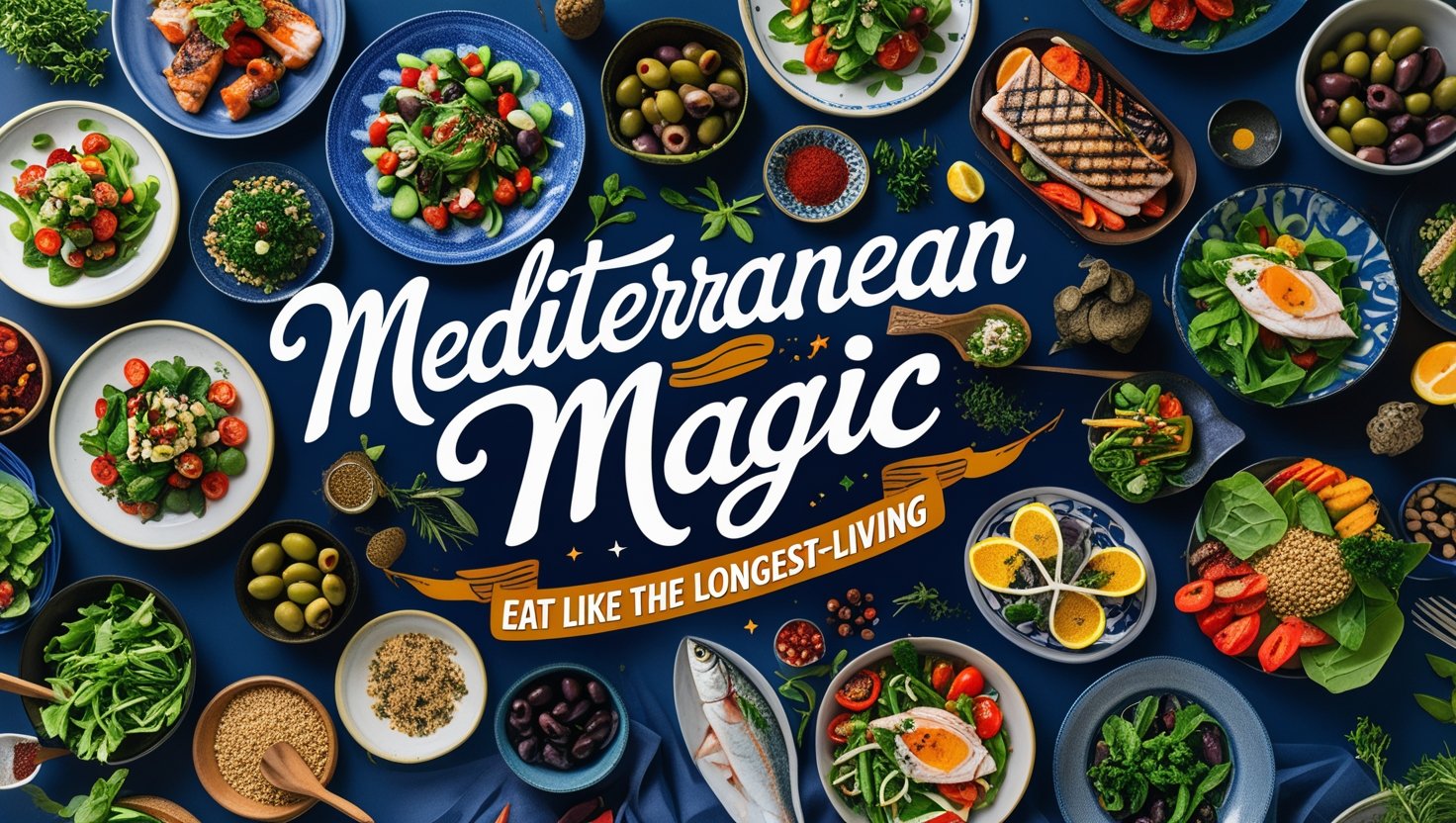
Mediterranean Magic | Eat Like the Longest-Living
What if the fountain of youth isn’t a myth, but a way of eating that’s been hiding in plain sight for thousands of years? In the sun-drenched islands of the Mediterranean, where centenarians walk to markets at 100 and longevity isn’t just luck but lifestyle, lies the secret to adding not just years to your life, but life to your years. Mediterranean magic isn’t about following another diet, it’s about embracing an ancient blueprint for healthy aging that modern science is finally catching up to.
The Longevity Code Hidden in Ancient Traditions:
Decoding the Centenarian Blueprint:
Mediterranean longevity isn’t accidental, it’s the result of generations perfecting a lifestyle that naturally promotes cellular health and age-related disease prevention. Research shows that better adherence to the Mediterranean diet is associated with 23 months longer survival, but the real magic lies in understanding why these eating patterns create such profound results.
Blue Zone research reveals that regions with the highest percentage of centenarians share common dietary principles that go far beyond simple nutrition. These communities have unconsciously created eating systems that support telomere health, reduce chronic inflammation, and optimize metabolic function throughout the aging process.
The longevity advantage comes from the synergistic relationship between food choices, eating patterns, and cultural practices that have evolved over millennia. Mediterranean populations don’t just eat differently, they approach food with a philosophy that prioritizes long-term health over short-term satisfaction.
The Science Behind Ancient Wisdom:
Modern longevity research is validating what Mediterranean cultures have known intuitively for centuries. Foods like fruits, vegetables, olives, beans, and fish are rich in antioxidants that combat aging triggered by pollution and stress, creating a natural defense system against the cellular damage that accelerates aging.
Polyphenol compounds found in Mediterranean staples like olive oil, red wine, and herbs create powerful anti-inflammatory effects that protect against the chronic diseases responsible for premature aging. These compounds work at the genetic level to influence how our cells age and repair themselves.
Regional Longevity Secrets Revealed:
Ikarian Immortality Principles:
Ikaria, Greece, represents the purest expression of Mediterranean longevity eating. The Greek Island of Ikaria has the greatest adherence to the Mediterranean diet in the world, with people living about 7 years longer than Americans.
Ikarian food culture emphasizes wild greens foraged from mountainsides, goat milk products rich in probiotics, and herbal teas consumed throughout the day. Their eating rhythm follows natural circadian patterns, with the largest meal consumed at midday when digestive fire is strongest.
- Mountain herbs – Wild oregano, sage, and thyme provide concentrated antioxidants
- Fermented dairy – Traditional cheeses support gut microbiome health
- Seasonal eating – Diet changes naturally with agricultural cycles
- Community meals – Social eating reduces stress and promotes digestive health
Sardinian Shepherd Longevity:
Sardinia’s Blue Zone offers unique insights into masculine longevity, as the ratio of centenarian men to women is one to one, quite unusual compared to the rest of the world, where it’s five women to every one man.
Sardinian centenarians consume pecorino cheese made from grass-fed sheep milk, which contains anti-inflammatory compounds not found in conventional dairy. Their diet emphasizes legumes, whole grains, and lean proteins from pastoral animals that graze on nutrient-dense wild plants.
Cretan Vitality Traditions:
Crete’s longevity secrets center around olive oil consumption that far exceeds other Mediterranean regions. Cretan elders consume up to six tablespoons daily of extra virgin olive oil, providing monounsaturated fats and vitamin E that protect cardiovascular health.
Traditional Cretan meals feature wild edible plants that provide micronutrients rarely found in modern diets. These foraged foods offer phytonutrient diversity that supports immune function and cellular repair mechanisms.
The Molecular Magic of Mediterranean Foods:
Polyphenol Powerhouses:
Mediterranean longevity largely depends on polyphenol-rich foods that create cellular protection against aging. These compounds work as natural pharmaceuticals within the body, influencing gene expression and protein synthesis in ways that promote healthy aging.
Olive oil polyphenols like oleocanthal provide anti-inflammatory effects equivalent to ibuprofen without side effects. Red wine resveratrol activates sirtuins, proteins that regulate cellular aging and DNA repair. Herb phenolics from rosemary, oregano, and thyme protect brain function and memory.
Omega-3 Optimization Strategies:
Mediterranean fish consumption provides EPA and DHA in ratios that optimize brain health and cardiovascular function. Wild-caught fish from Mediterranean waters contain higher concentrations of beneficial fatty acids due to their natural diet of marine algae.
Sardines, anchovies, and mackerel provide concentrated omega-3s while being lower in mercury than larger fish. These small fish also contain CoQ10 and vitamin D, which support mitochondrial function and bone health.
Seasonal Eating for Longevity:
Spring Detoxification Traditions:
Mediterranean spring eating emphasizes bitter greens and cleansing herbs that support liver function and cellular detoxification. Dandelion, arugula, and endive provide compounds that enhance Phase II detoxification pathways.
Spring onions, artichokes, and asparagus contain prebiotic fibers that feed beneficial gut bacteria. This seasonal microbiome renewal supports immune function and nutrient absorption throughout the year.
Summer Hydration and Cooling:
Mediterranean summer foods provide natural cooling and hydration through water-rich vegetables and electrolyte-balancing minerals. Tomatoes, cucumbers, and melons offer lycopene and potassium that support cardiovascular health during hot weather.
Cold-pressed olive oil consumed with fresh vegetables enhances fat-soluble vitamin absorption while providing sustained energy without blood sugar spikes. Gazpacho and cold soups offer concentrated nutrition in easily digestible forms.
Autumn Harvest Preservation:
Mediterranean autumn emphasizes food preservation techniques that concentrate nutrients while extending seasonal availability. Sun-dried tomatoes, preserved olives, and fermented vegetables provide probiotics and enhanced bioavailability of key compounds.
Nut and seed harvesting provides healthy fats and protein that support brain function during shorter daylight hours. Almonds, walnuts, and pine nuts offer vitamin E and magnesium that protect cognitive function.
Winter Warming and Immunity:
Mediterranean winter eating focuses on warming foods and immune-supporting nutrients. Citrus fruits provide vitamin C and bioflavonoids that enhance immune response. Root vegetables offer beta-carotene and complex carbohydrates that support energy metabolism.
Legume-based stews provide plant proteins and fiber that support gut health and blood sugar stability. Warming spices like cinnamon, ginger, and turmeric offer anti-inflammatory compounds that combat winter illness.
Cultural Eating Patterns for Longevity:
The Art of Meal Timing:
Mediterranean meal timing follows circadian rhythms that optimize digestive function and metabolic health. Breakfast remains light with coffee or tea and simple carbohydrates. Lunch becomes the main meal when the digestive fire is strongest.
Dinner occurs early evening with lighter foods that promote restful sleep. Late-night eating is culturally discouraged, allowing digestive rest and cellular repair during sleep cycles.
Social Eating and Stress Reduction:
Mediterranean food culture emphasizes communal meals that reduce cortisol levels and promote parasympathetic nervous system activation. Slow eating and conversation enhance nutrient absorption while reducing digestive stress.
Family meal traditions create social support networks that contribute to mental health and longevity. Shared food preparation builds community connections while preserving traditional knowledge about healthy eating.
Modern Applications of Ancient Wisdom:
Adapting Mediterranean Principles Globally:
Mediterranean longevity eating can be adapted to any climate or cultural context by focusing on principles rather than specific foods. Local seasonal produce, healthy fats, and moderate protein consumption create longevity benefits regardless of geographic location.
Urban Mediterranean eating emphasizes farmers markets, community gardens, and seasonal menu planning that recreate traditional food relationships in modern contexts. Food quality matters more than perfect adherence to specific regional cuisines.
Technology Integration with Traditional Wisdom:
Modern longevity seekers can use technology to enhance Mediterranean eating principles. Meal planning apps help track seasonal availability and nutrient density. Fermentation technologies allow traditional preservation methods in contemporary kitchens.
Biomarker testing can measure inflammatory markers and nutrient status to optimize individual Mediterranean eating patterns. Genetic testing reveals personal responses to Mediterranean diet components.
The Psychology of Longevity Eating:
Mindful Consumption Practices:
Mediterranean eating psychology emphasizes mindful consumption and pleasure in food experiences. Stress reduction through enjoyable eating supports digestive health and nutrient absorption.
Food appreciation and gratitude practices enhance satisfaction while reducing overconsumption. Slow eating allows satiety signals to develop naturally, preventing portion size errors that contribute to metabolic dysfunction.
Pleasure Without Guilt:
Mediterranean food culture integrates pleasure and health without dietary guilt or restriction mentality. Wine consumption with meals provides antioxidants, while social connection enhances overall well-being.
Dessert traditions using seasonal fruits, nuts, and honey satisfy sweet cravings while providing nutrients rather than empty calories. Balance and moderation create sustainable eating patterns that support lifelong health.
Practical Implementation Strategies:
Weekly Mediterranean Meal Architecture:
Successful Mediterranean eating requires structured planning that incorporates traditional principles into modern lifestyles. Weekly meal architecture should include variety, seasonality, and social elements that support long-term adherence.
Protein rotation includes fish twice weekly, legumes three times, and moderate amounts of poultry or red meat. Vegetable intake should emphasize diversity and color variety to maximize phytonutrient exposure.
Shopping and Preparation Techniques:
Mediterranean grocery shopping prioritizes whole foods and minimal processing. Olive oil quality matters more than quantity, extra virgin and cold-pressed varieties provide maximum health benefits.
Batch cooking of grains, legumes, and vegetables allows quick meal assembly while maintaining nutritional quality. Herb gardens and fermentation projects connect modern cooks with traditional food preparation.
Supplement Integration with Food:
Bridging Nutritional Gaps:
Mediterranean eating provides comprehensive nutrition, but modern food systems may create gaps that targeted supplementation can address. Omega-3 supplements from algae or fish oil ensure adequate intake when fresh fish isn’t available.
Vitamin D supplementation becomes important in northern climates where sun exposure is limited. Magnesium and B-complex vitamins support energy metabolism and nervous system function in high-stress modern environments.
Functional Food Enhancement:
Mediterranean foods can be enhanced with functional ingredients that amplify longevity benefits. Probiotic supplementation supports gut health when fermented foods aren’t regularly consumed.
Adaptogenic herbs like ashwagandha and rhodiola can be integrated into Mediterranean meals to address modern stress while maintaining traditional flavor profiles.
Environmental and Sustainability Considerations:
Ecological Longevity:
Mediterranean eating naturally supports environmental sustainability through seasonal eating, local sourcing, and plant-forward nutrition. Sustainable food systems create healthier environments that support human longevity.
Regenerative agriculture practices used in traditional Mediterranean farming improve soil health and nutrient density while reducing environmental impact. Conscious consumption connects personal health with planetary health.
Community Food Systems:
Mediterranean food culture emphasizes community connections and local food systems that support economic sustainability and food security. Community gardens and food cooperatives recreate traditional food relationships in modern contexts.
Seasonal eating reduces environmental impact while maximizing nutrition and flavor. Food preservation and sharing practices build social resilience and community health.
Future Directions in Longevity Nutrition:
Personalized Mediterranean Approaches:
Genetic testing and biomarker analysis are enabling personalized Mediterranean eating that accounts for individual differences in nutrient metabolism and food responses. Precision nutrition enhances traditional wisdom with modern science.
Microbiome analysis reveals personal responses to Mediterranean foods and fermented products. Individualized approaches optimize health outcomes while maintaining cultural food traditions.
Global Mediterranean Movements:
Mediterranean eating principles are being globally adapted to local food systems and cultural contexts. Blue Zone projects worldwide demonstrate how traditional longevity wisdom can be successfully implemented in diverse environments.
Educational initiatives and policy changes are making Mediterranean eating more accessible and affordable for diverse populations. Community health programs demonstrate scalable approaches to longevity nutrition.
Conclusion:
Mediterranean magic offers more than just another eating approach, it provides a time-tested blueprint for healthy aging that has sustained generations of long-lived people. By embracing the seasonal rhythms, social connections, and nutrient-dense foods that define Mediterranean culture, we can access the longevity secrets that have enabled centenarians to thrive for millennia. The magic lies not in perfection, but in consistency and joy in eating well for life.
FAQs:
Q1: What’s the most important Mediterranean food for longevity?
A: Extra virgin olive oil provides the highest concentration of longevity-promoting compounds in Mediterranean eating.
Q2: How much fish should I eat weekly for Mediterranean longevity benefits?
A: Two to three servings of fatty fish per week provide optimal omega-3 levels for healthy aging.
Q3: Can I follow Mediterranean eating principles without living near the Mediterranean?
A: Local seasonal produce and healthy fats create longevity benefits regardless of geographic location.
Q4: What’s the role of wine in Mediterranean longevity?
A: Moderate wine consumption with meals provides antioxidants and social benefits that support healthy aging.
Q5: How important is organic food in Mediterranean longevity eating?
A: Food quality matters more than organic certification—focus on whole foods and minimal processing.
Q6: What’s the biggest mistake people make when trying Mediterranean eating?
A: Focusing on restrictions rather than embracing variety and pleasure in healthy food choices.